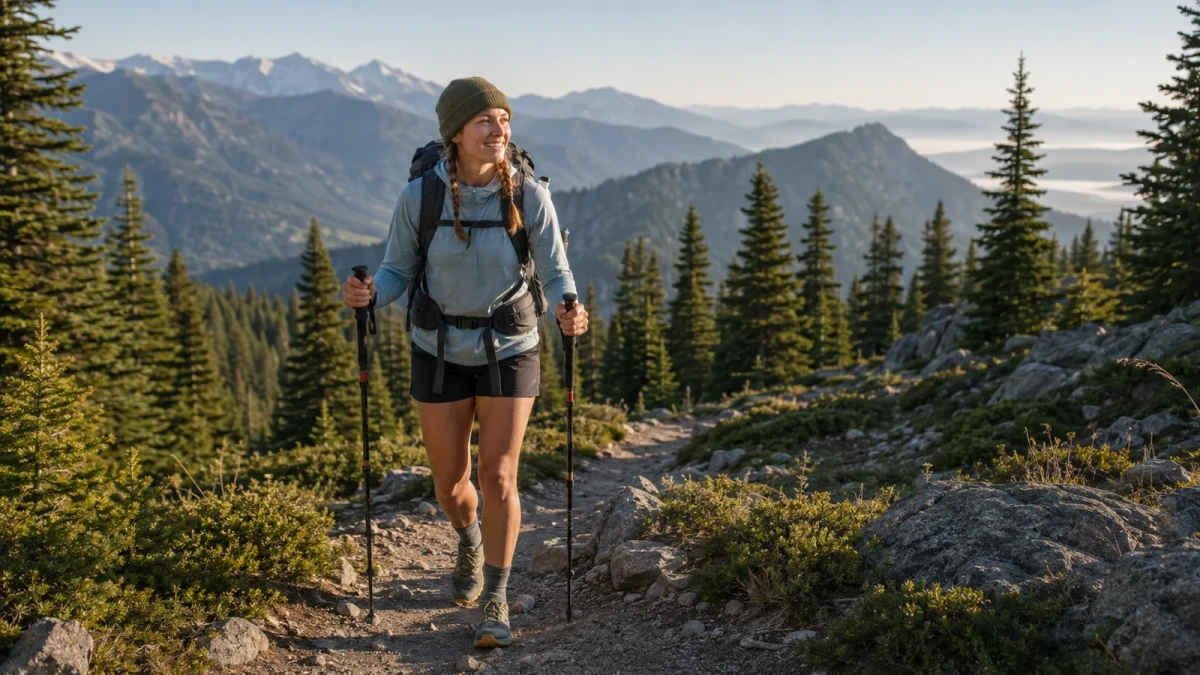
Part 32 of the HikeLab Ultimate Ultralight Guide Series.
Ever finish a hike feeling like your pack beat you instead of the trail? That is the moment a lot of people start looking for a real how to hike ultralight beginners guide. They do not want to become extreme minimalists. They want to stop carrying dead weight, move more comfortably, and enjoy camp without wrecked shoulders or sore knees.
If that sounds familiar, you are in the right place. This guide agrees with the problem, promises a safer way to go lighter, and previews exactly what matters most: gear, skills, planning, and mistakes beginners should avoid. By the end, you will know how to cut pack weight without cutting warmth, safety, or confidence. You will also have a practical path for your first beginner ultralight backpacking setup.
Key Takeaways
- Ultralight hiking for beginners works best when you cut unnecessary weight first and keep the essentials strong.
- The biggest gains usually come from your shelter, sleep system, pack, and duplicate clothing.
- Trail skills matter as much as lightweight backpacking gear because better planning lets you carry less.
- A smart first step is not chasing a sub-10-pound base weight. It is building a kit you can trust on a real trip.
What Ultralight Really Means for Beginners
Most people hear “ultralight” and picture a tiny tarp, a frameless pack, and a hiker who proudly sleeps cold. That version exists, but it is not the only version. For beginners, ultralight hiking is simply the practice of carrying less so the hike feels easier and more efficient.
A useful target is a lighter, more intentional setup, not an extreme one. Many beginners do well with a base weight in the 12- to 18-pound range for 3-season trips. That is still much lighter than the traditional starter pack that often creeps into the high 20s or low 30s before food and water.
This matters because carrying less changes the whole day. You climb more comfortably, recover faster at camp, and make fewer bad decisions because you are less tired. That is the real win in any how to hike ultralight beginners guide.
Evan, a new backpacker from Vermont, learned this on a two-night Appalachian Trail section. His first trip started with a 31-pound pack and ended with knee pain on every downhill step. After cutting duplicate clothes, swapping a bulky tent, and leaving camp extras at home, he started his next trip at 20 pounds total and finished feeling strong enough to add an evening side trail.
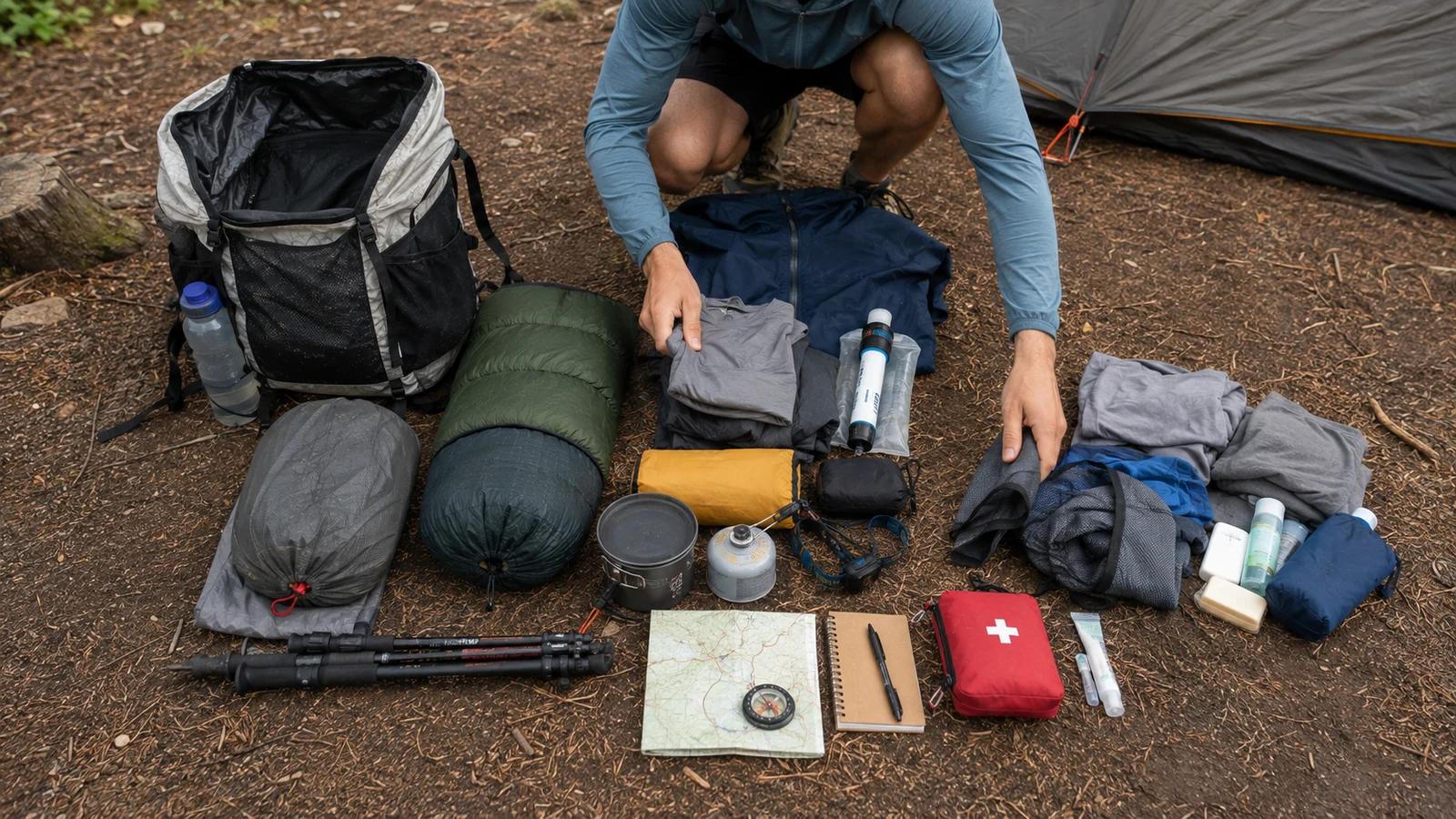
If you want a fast gut check, lay out your entire pack and ask one question about every item: “Would I still bring this if I had to carry it up a long climb in the rain?” That question kills a lot of fantasy packing.
How to Hike Ultralight Beginners Guide: Start With Weight, Not Gear Hype
The fastest way to improve is to measure what you already carry. A kitchen scale or luggage scale will tell you more than a week of scrolling gear forums. Once you know where the pounds live, you can make better decisions.
Start by separating your kit into categories:
- Big three: pack, shelter, sleep system
- Clothing: worn and packed
- Kitchen and water
- Safety, hygiene, and small extras
Most beginners discover the same pattern. The heavy stuff is not one dramatic mistake. It is a stack of small “just in case” choices sitting on top of a few oversized core items.
That is why a good how to hike ultralight beginners guide should teach process before shopping. Weigh everything. Sort it into must bring, useful comfort, and dead weight. Then attack the biggest ounces first.
Here is a practical order:
- Remove duplicates you do not need.
- Replace one heavy major item if budget allows.
- Repack small items into lighter, simpler formats.
- Test the setup on a short shakedown hike.
This is also where you should learn a few basic terms. “Base weight” means everything in your pack except food, water, and fuel. Knowing that number helps you track progress without getting confused by route-specific loads.
Make a simple spreadsheet before you buy anything new. One hour spent weighing gear can save you hundreds of dollars in bad upgrades.
How to Hike Ultralight Beginners Guide: Build a Lighter but Safer Kit
If you only focus on grams, you will eventually make a dumb choice. A better beginner strategy is to build a lighter kit that still protects sleep, shelter, hydration, and weather safety. That balance is what makes ultralight backpacking tips actually useful in the field.
Start with the big three.
Your pack should fit your current kit, not your dream future kit. Many beginners do best with a framed pack in the 40L to 60L range. Frameless packs can be great, but they usually work better once your load is already very low and your packing habits are dialed in.
Your shelter should be simple to pitch and reliable in the conditions you actually hike. A lightweight tent or trekking-pole shelter can save a lot of weight, but stormworthiness and setup ease matter more than shaving the last few ounces. REI’s overview of ultralight backpacking basics gets this right: the biggest items drive the biggest savings.
Your sleep system should protect recovery, not just look efficient on paper. If you sleep cold, move a lot, or expect shoulder-season weather, a safer quilt or sleeping bag and a warm-enough pad beat a trendy minimalist setup every time.
Lena from Arizona made that adjustment after a windy Mogollon Rim trip. She copied a stripped-down gear list, brought too little pad insulation, and barely slept. On her next trip, she used a slightly warmer quilt and a higher-R-value pad, added a few ounces, and hiked farther the next day because she actually recovered overnight.
Then handle the smaller categories with the same logic:
- Carry one hiking outfit, not two
- Use a small pot and simple stove if you want hot food
- Bring a reliable water filter and a backup plan
- Keep a compact first aid and repair kit
- Pack rain gear you trust, not rain gear you hope will work
For safety basics, the National Park Service list of Ten Essentials is still worth reviewing. Ultralight does not mean skipping the items that help you get home.
Cut the Easy Weight First: Clothing, Water, and Camp Extras
The easiest pounds to remove are usually not in your titanium spoon. They are in extra clothing, overbuilt camp comfort, and poor water planning. This is where ultralight hiking for beginners gets very practical very fast.
Clothing is the classic trap. New hikers pack backup shirts, extra pants, and thick camp layers for every possible mood. In reality, most trips only require one hiking outfit, one insulation layer, one rain shell, and dry socks or sleep clothes when conditions justify them.
Footwear matters too. Many hikers find trail runners lighter, faster-drying, and less tiring than heavy boots. Boots still make sense for some people, but beginners should not assume heavier footwear is automatically safer.
Water is another category that punishes poor planning. One liter weighs about 2.2 pounds, so carrying two unnecessary liters is not a small mistake. Check route conditions, water sources, weather, and seasonal reliability before you leave.
Marco, a beginner in northern Italy, used to start every day with four liters because he feared running dry. After learning his route had dependable refill points every few hours, he cut his water carry by half on cool-weather trips. That single change made his pack feel better than some gear upgrades he had been considering.
Camp extras deserve a hard look. A full chair, oversized lantern, heavy camp shoes, and backup gadgets can turn a reasonable pack into a slog. Comfort matters, but it should earn its place.
Before your next trip, remove one full clothing item, one luxury item, and one backup item from your pack. Weigh the difference and see whether you really miss them.
Skills Let You Hike Ultralight Without Taking Stupid Risks
This is the part many gear-focused articles miss. Skill reduces the amount of gear you need. The better your judgment, the less backup clutter you carry.
Route planning is a good example. If you know your distance, weather, water access, terrain, and bail-out options, you can pack with purpose. If you do not know those things, you will compensate with fear-based packing.
Weather reading is another big one. A beginner who understands forecast trends, wind exposure, and overnight lows can choose layers and shelter with much more confidence. A beginner who ignores the forecast usually either overpacks or gets caught out.
Campsite selection matters too. A good sheltered site can make a modest shelter perform much better. A bad exposed site can make expensive lightweight backpacking gear feel inadequate.
That is why any real how to hike ultralight beginners guide should include skill building, not just shopping advice. Leave No Trace also belongs here because better habits often lead to cleaner, simpler systems. The official Seven Principles overview is a useful refresher before your first overnight.
If you want one skill to improve this month, make it campsite and route planning. That one upgrade lowers stress, sharpens packing choices, and reduces the need for random insurance items.
Common Beginner Mistakes That Make Ultralight Hiking Harder
Some mistakes are so common they deserve their own warning label. They do not just slow your progress. They make beginner ultralight backpacking less comfortable than it needs to be.
The first mistake is going too extreme too soon. A tarp-only shelter, a frameless pack, or a torso-length pad might be fine later. Early on, those choices can create friction that has nothing to do with fitness or motivation.
The second mistake is buying the pack first. If you buy volume before you know your shelter and sleep setup, you often end up with a pack that is too big, too heavy, or wrong for the load you actually carry.
The third mistake is cutting warmth before cutting junk. A heavier but warm sleep system is usually smarter than a lighter one that ruins sleep. Recovery is a performance tool.
The fourth mistake is ignoring food weight and packaging. You do not need deluxe trail cuisine and heavy containers for a short trip. Simple meals packed efficiently make a noticeable difference.
The fifth mistake is assuming expensive means optimized. Premium gear can be excellent, but price alone does not solve poor fit, weak planning, or unrealistic expectations.
If this article is your first how to hike ultralight beginners guide, remember this rule: remove complexity before you remove safety margin. That approach keeps the learning curve manageable.
A Simple 3-Trip Plan for Your First Ultralight Setup
You do not need to rebuild your entire system in one weekend. The smartest approach is a short sequence of test trips. Each one teaches you what to keep, what to replace, and what to stop worrying about.
Trip 1: Backyard or local overnight
Use the gear you already own with obvious dead weight removed. Focus on setup speed, sleeping warmth, and how much stuff you never touch.
Trip 2: Short shakedown hike
Pick an easy route with safe exit options. Track what you eat, how much water you actually use, and whether your pack rides well for several hours.
Trip 3: Full beginner weekend
Now test the refined version. This is the point where you can judge whether a new shelter, pad, or pack would create a real improvement instead of just a lighter spreadsheet.
This slow build works because real experience beats imagined needs. After three trips, most people have a much clearer sense of their ultralight backpacking checklist and a far better idea of where to spend money.
Keep a short post-hike note on your phone with three lines only: what I never used, what failed, and what I wished I had. Those notes are better than any gear rabbit hole.
FAQ
How do I start ultralight hiking as a complete beginner?
Start by weighing your current gear, removing duplicates, and focusing on the biggest heavy items first. You do not need an elite kit. You need a lighter, more intentional one that still keeps you safe and comfortable.
What is a good base weight for ultralight hiking for beginners?
For many 3-season hikers, 12 to 18 pounds is a realistic beginner range. That is light enough to feel better on trail but still forgiving enough for normal weather, a framed pack, and a reliable sleep system.
Why do beginners make mistakes when trying to hike ultralight?
Most mistakes come from copying advanced hikers without matching their skills, climate, or tolerance for discomfort. Beginners usually do better when they simplify their system and protect warmth, shelter, and hydration first.
Which gear upgrades save the most weight in a beginner ultralight backpacking setup?
The biggest savings usually come from the pack, shelter, and sleep system. After that, clothing duplicates, water strategy, and camp extras often offer the next easiest cuts.
When should I replace heavy traditional backpacking gear?
Replace it when you can clearly see what problem the new item solves. If your current gear is safe and functional, start by cutting dead weight and testing your setup before making larger purchases.
Next Steps
- Read The Ultimate Base Weight Guide to understand how pack weight affects trail experience.
- Check The Beginner Ultralight Gear List for a practical starting kit.
- Learn How to Pack a Backpack with the 4-zone method for better balance.
Sources
- The Trek — Appalachian Trail Survey — thru-hiker data and base weight averages
- NOLS — Ultralight Backpacking Skills — foundational outdoor education
- OutdoorGearLab — Ultralight Backpacking Guide — gear testing and reviews
- Halfway Anywhere — PCT Survey — long-distance hiking data
Leave a Comment