Part 29 of the HikeLab Ultimate Ultralight Guide Series.
Ultralight gear can last a surprisingly long time, but not forever, and not in the same way as heavier traditional gear. The honest answer is this: good ultralight gear usually lasts long enough to be worth buying if you use it correctly, maintain it, and match it to the kind of trips you actually do. Some pieces will hold up for years. Others are semi-consumable and should be treated that way.
The mistake many backpackers make is expecting ultralight gear to either be fragile junk or somehow equal in lifespan to heavier gear built with thicker fabrics, larger zippers, and more structural margin. Reality sits in the middle. Ultralight gear trades excess material for lower weight, which means less abuse tolerance, smaller repair margins, and more importance placed on user behavior. If you hike thoughtfully, it can last a long time. If you are rough on gear, bushwhack constantly, throw your pack on granite, and pack carelessly, it will wear out faster than heavier alternatives.
This guide breaks down what actually lasts, what wears out first, and how to decide where durability matters most.
Key Takeaways
- Ultralight gear is not automatically short-lived. Many items last for hundreds or thousands of trail miles.
- Shelters, packs, and rain gear usually wear out faster than quilts, stoves, and sleeping pads used carefully.
- Fabric weight matters, but design and usage matter just as much. A smart design in a lighter fabric can outlast a poorly designed “tougher” product.
- Abrasion, UV exposure, moisture, dirt, and bad storage kill gear faster than normal walking use.
- The lightest option is rarely the best long-term value for every hiker.
- If you hike off-trail, guide trips, thru-hike repeatedly, or hate babying gear, move slightly heavier for key categories.
- Repairability matters. Gear that can be patched, taped, resealed, or have parts replaced often gives much better real-world lifespan.
What “Durability” Actually Means in Ultralight Gear
Backpackers often talk about durability as if it means only one thing. It does not.
For ultralight gear, durability usually includes:
- Abrasion resistance: how well it handles rubbing against rock, dirt, branches, and repeated packing
- Tear resistance: how likely it is to rip when snagged or stressed
- Compression resilience: especially for insulation and foam
- Water resistance longevity: how long coatings, DWR, seam tape, and waterproof membranes keep working
- Component life: zippers, buckles, valves, cords, poles, and elastic
- Performance lifespan: whether the gear still does its job well, even if it looks worn
That last one matters. A pack with cosmetic scuffs may still be fine. A rain jacket that looks intact but wets out constantly has effectively aged out of full performance. A quilt with flattened down may still function, but not to its original rating.
So the real question is not just “Will it survive?” It is:
How long will it perform well enough for the kind of trips I take?
A Realistic Gear Lifespan Table
These are broad, practical ranges for backpackers using quality ultralight gear in normal three-season use. Heavy off-trail travel, desert abrasion, frequent rain, scrambling, and poor storage can reduce lifespan substantially.
| Gear Category | Realistic Lifespan | What Usually Fails First | Notes |
|---|---|---|---|
| Ultralight backpack | 1,500-4,000+ miles | Bottom fabric, mesh pockets, seams, foam collapse | Off-trail use can cut this sharply |
| DCF shelter | 150-400 nights | Tape, stress points, zipper, floor wear | Fabric stays waterproof well, but abrasion/puncture matters |
| Silnylon/silpoly shelter | 200-500+ nights | Coating wear, seams, zipper, floor wear | Often more forgiving than very light DCF builds |
| Down quilt/bag | 5-15+ years | Loft loss, shell wear, moisture damage | Storage and washing habits matter more than mileage alone |
| Synthetic quilt/bag | 2-7 years | Insulation compression and warmth loss | Usually ages faster than down |
| Inflatable pad | 100-300+ nights | Pinhole leaks, valve issues, baffle failure | Site selection changes everything |
| Foam pad | 200-1,000+ nights | Compression, cracks, delamination | Ugly but often still usable |
| Rain jacket | 1-5 years | DWR failure, membrane fatigue, delamination | High variability by fabric and usage |
| Wind shell | 2-6+ years | Snags, zipper, cuff elastic | Often better longevity than rain shells |
| Trail runners | 300-600 miles | Midsole deadening, outsole wear, uppers | Some hikers kill them faster |
| Trekking poles | 1,000-5,000+ miles | Lock mechanisms, tip wear, bends | Carbon is lighter; aluminum is more forgiving |
| Canister stove | 5-15+ years | Igniter, threads, pot supports | Usually very long-lived |
| Titanium cookpot | 10+ years | Dents, lid fit, handles | Hard to truly wear out |
These are not guarantees. They are decision-making ranges.
Which Ultralight Gear Usually Lasts the Longest?
Some ultralight categories are excellent long-term buys.
Quilts and sleeping bags
A good down quilt is one of the best-value pieces of ultralight gear you can own. If you store it loose, keep it reasonably clean, and dry it thoroughly, it can last a decade or more. The shell may age, but the real question is loft retention.
Synthetic insulation is less durable in performance terms. It can still be useful for damp climates or budget setups, but it generally loses warmth faster over time.
Titanium cookware and simple stoves
Ultralight does not always mean delicate. Titanium pots and basic canister stoves are often among the most durable items in a kit. They may get dented or stained, but they rarely become unusable quickly.
Trekking poles
Quality poles can last a very long time. They are consumable only if you use them hard enough. Tips wear, flick locks loosen, and carbon can snap under side loads, but mileage per dollar is often strong here.
Which Ultralight Gear Wears Out Fastest?
These categories deserve more skepticism.
Packs
Ultralight packs live a hard life. They grind against dirt, rocks, sweaty backs, car trunks, trees, and overloaded food carries. Lighter packs can last a long time, but only if their structure matches the load you actually carry.
Common failure points include:
- Stretch mesh pockets tearing
- Bottom panel abrasion
- Shoulder strap foam collapsing
- Hipbelt wear
- Seam stress from chronic overloading
A pack rated for comfortable loads around 25 to 30 pounds will not age gracefully if you keep asking it to carry 35 to 40.
Rain gear
Rain shells are often disappointing in lifespan, especially the lightest ones. This is not just an ultralight problem, but weight-focused rain gear tends to have thinner face fabrics and less long-term abuse tolerance.
What hikers experience as “this jacket is worn out” usually means:
- DWR no longer beads water well
- Interior coating or membrane is degrading
- Delamination begins
- High-wear areas leak or feel clammy
If you wear a rain shell constantly, with a pack, in brush, expect shorter lifespan than the marketing suggests.
Inflatable sleeping pads
Inflatable pads are comfortable and light, but they are one of the more failure-prone items in an ultralight system. Tiny punctures, valve problems, and internal failures happen. Some pads last years. Others fail unexpectedly.
This does not mean inflatables are bad. It means they are high-comfort gear with higher failure risk than closed-cell foam.
The Biggest Factors That Determine Lifespan
1. How you use the gear
The same shelter can last 300 nights for one hiker and feel trashed after 80 for another.
These factors matter most:
- On-trail vs off-trail use
- Rocky campsites vs soft forest duff
- Desert sun vs shaded woodland
- Weekend trips vs thru-hiking
- Careful packing vs careless stuffing
- Within load limits vs chronic overloading
A careful thru-hiker may be easier on gear than an aggressive weekend bushwhacker.
2. Fabric and material choice
Material still matters. Generally:
- Thicker woven fabrics handle abrasion better
- Lighter fabrics save weight but reduce margin for error
- DCF resists water absorption well but can puncture and abrade in specific ways
- Silnylon and silpoly often handle repeated stuffing and field wear very well
- Higher-denier pack fabrics usually buy you more lifespan, especially on bottoms and pockets
Do not reduce this to “DCF bad” or “nylon tough.” Construction details matter too much for that.
3. Design quality
A well-designed light product often beats a poorly designed “durable” one.
Look for:
- Reinforced stress points
- Sensible seam placement
- Replaceable or repairable parts
- Appropriate load transfer
- Realistic intended use
A minimal pack with excellent load path design can outlast a heavier pack with weak seams and bad pocket layout.
4. Maintenance and storage
Bad storage ruins gear quietly.
Common mistakes:
- Storing down compressed for months
- Packing wet shelters and forgetting them
- Leaving gear in a hot car for long periods
- Never cleaning salt, dirt, and body oils off fabrics
- Ignoring tiny holes until they become real failures
Maintenance does not need to be obsessive. It just needs to be consistent.
Ultralight vs Traditional Gear: The Real Tradeoff
The honest tradeoff is not “durable vs fragile.” It is:
comfort and efficiency on trail now vs abuse tolerance and margin later
Ultralight gear gives you:
- Lower energy cost
- Easier climbing
- Less joint fatigue
- More daily range
- Often more enjoyment
Heavier gear gives you:
- More forgiveness
- Better resistance to abrasion and misuse
- Often longer lifespan under rough handling
- More comfort margin for overpacking
If lower pack weight helps you hike farther, recover better, and avoid injury, that has real value. Even if a lighter pack lasts fewer years than a heavier one, it may still be the better tool.
The right question is not “Which lasts longest?” It is:
Which gives me the best combination of performance, lifespan, and hassle for how I actually hike?
Decision Criteria: When to Go Lighter and When Not To
Use these filters before buying the lightest version of anything.
Go lighter when:
- You mostly stay on established trails
- You are careful with gear
- You know your base weight and load range
- You value hiking efficiency highly
- You repair gear instead of replacing it immediately
- The item is not in a high-abrasion role
Go slightly heavier when:
- You bushwhack, scramble, or hike in desert rock often
- You regularly do long food or water carries
- You dislike careful campsite selection
- You want one item to survive years of indifferent treatment
- Failure would be especially disruptive
- The item lives in constant contact with abrasion or moisture
For many backpackers, the sweet spot is not extreme ultralight. It is selectively durable ultralight.
That usually means: - slightly tougher pack fabric - slightly tougher shelter floor - realistic rain gear - not the absolute thinnest pad available
Mistakes to Avoid
Buying for a fantasy use case
A lot of people buy gear for a thru-hike they are not doing, or for harsh off-trail use they never see. Buy for your actual trips.
Confusing low weight with poor value
A quilt that lasts 10 years is not poor value because it uses lightweight fabric. Judge lifespan per use, not just upfront price.
Ignoring load limits
This is one of the fastest ways to destroy ultralight packs. If your total pack weight routinely exceeds the intended range, you are not “testing the limits.” You are shortening lifespan.
Treating every piece of gear the same
Your spoon, cookpot, and quilt do not need the same durability standard as your pack bottom, shelter floor, or rain jacket.
Waiting too long to repair minor damage
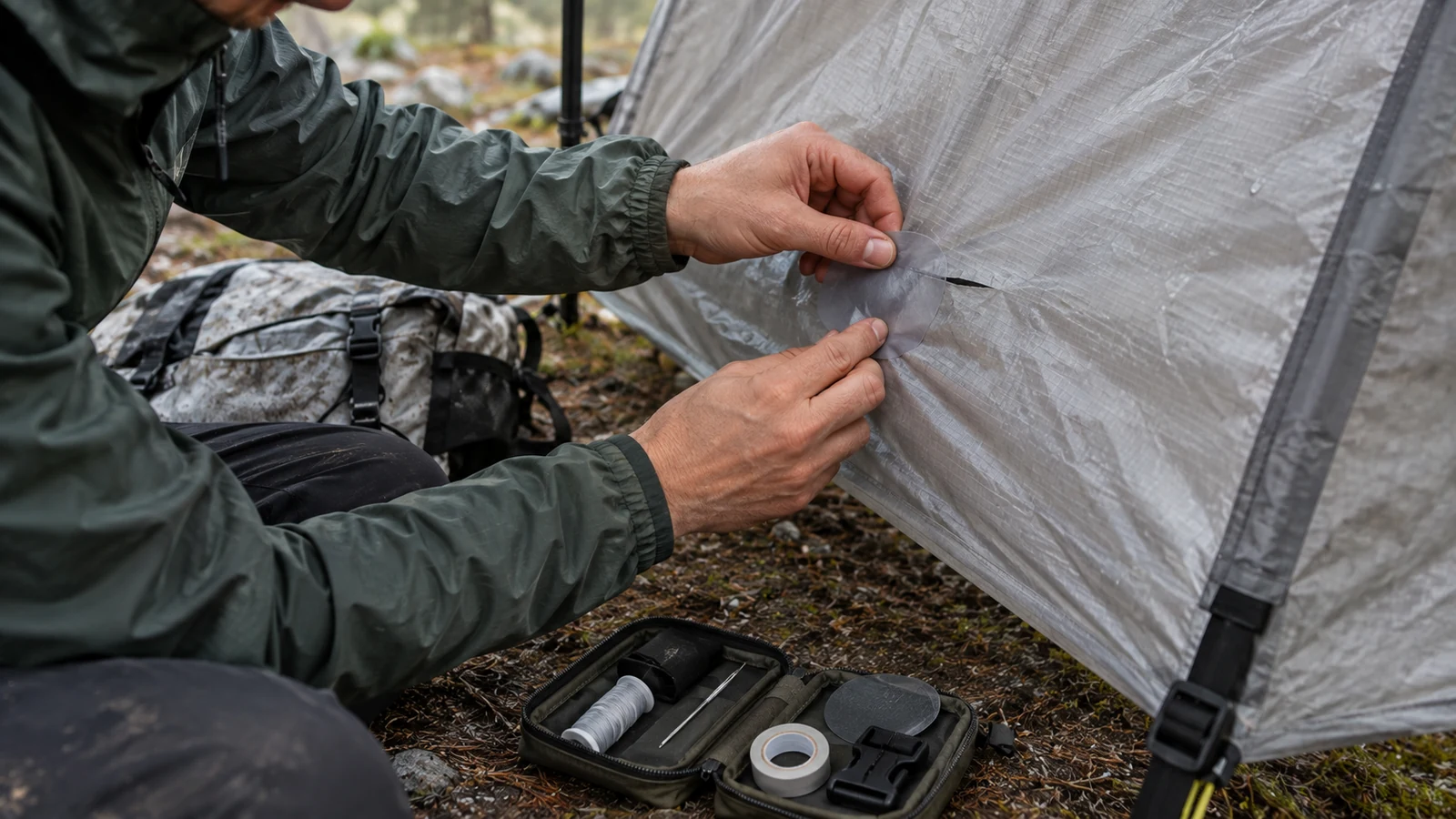
Tiny mesh tears, loose seam tape, pinholes, and worn cordage are cheap fixes early and expensive failures later.
Chasing the lightest spec sheet
Some of the lightest products are meant for skilled users with disciplined systems. If that is not you yet, buy one step more robust and move on.
How to Make Ultralight Gear Last Longer
You do not need elaborate rituals. Focus on the high-return habits.
For packs
- Do not overload them beyond intended use
- Avoid dropping them onto rock
- Patch abrasion early
- Keep sharp items from poking outward
- Clean out grit and dirt occasionally
For shelters
- Use ground-friendly site selection
- Clear sharp debris before pitching
- Dry before long-term storage
- Re-tension appropriately in wind
- Reinforce or patch small damage early
For quilts and sleeping bags
- Store uncompressed
- Wash only when needed, but properly
- Protect from prolonged moisture
- Use clean sleep layers when possible
For pads
- Check sites carefully
- Inflate only as much as needed
- Carry a repair kit you actually know how to use
- Avoid rough surfaces inside shelters too
For rain gear
- Wash when dirty
- Restore DWR when appropriate
- Do not expect thin shells to be brush-bashing layers
- Separate “hiking rain shell” from “town emergency shell” expectations
What Most Backpackers Should Actually Buy
For most hikers, the smartest setup is not the absolute lightest version of every item. It is a kit where high-wear items get a little extra durability, and low-wear items stay very light.
That usually looks like:
- A reasonably light pack with durable bottom and pockets
- A shelter chosen for your conditions, not just grams
- A down quilt if conditions and budget allow
- A pad that balances comfort with failure tolerance
- Rain gear selected with realism, not wishful thinking
This approach gives you most of the benefits of ultralight hiking without turning every trip into a gear preservation project.
FAQ
Does ultralight gear always wear out faster than traditional gear?
Usually, under equal abuse, yes. But that does not mean it wears out too fast to be worthwhile. Many ultralight items still deliver excellent lifespan relative to how much performance they provide.
What ultralight gear category is most worth spending money on?
Usually your sleep system and shelter, because those directly affect safety, recovery, and trip quality. A high-quality down quilt in particular often has excellent long-term value.
Is DCF less durable than silnylon or silpoly?
Not in every way. DCF holds waterproofness very well and does not sag from water absorption like some fabrics can. But it can be less forgiving around abrasion, puncture, and repeated stress depending on the design and use. The better choice depends on where and how you camp.
How long should an ultralight backpack last?
A good one can easily last 1,500 to 4,000 miles or more on trail, but usage style matters heavily. Rough off-trail travel, overloading, and constant abrasion can reduce that a lot.
Should beginners avoid ultralight gear because it is fragile?
Not necessarily. Beginners should avoid overly specialized ultralight gear they do not understand. A sensible lightweight setup is often easier and more enjoyable to hike with than a heavy “bombproof” setup.
Final Word
Ultralight gear lasts long enough when it is chosen honestly and used intelligently. That is the realistic answer.
If you want the lightest possible setup with zero tradeoffs, that does not exist. If you want gear that is light, functional, and durable enough for real backpacking, that absolutely does exist. The key is to stop thinking in absolutes.
Buy lighter where failure risk is low. Buy tougher where abrasion, weather, and load matter most. Repair early. Stay within the design limits. And judge gear by cost per useful trip, not by whether it still looks new after years of use.
That is how most experienced backpackers end up thinking about durability anyway.
Next Steps in the HikeLab Series
Sources
- REI Co-op
- OutdoorGearLab
- HikeLab Editors
Leave a Comment