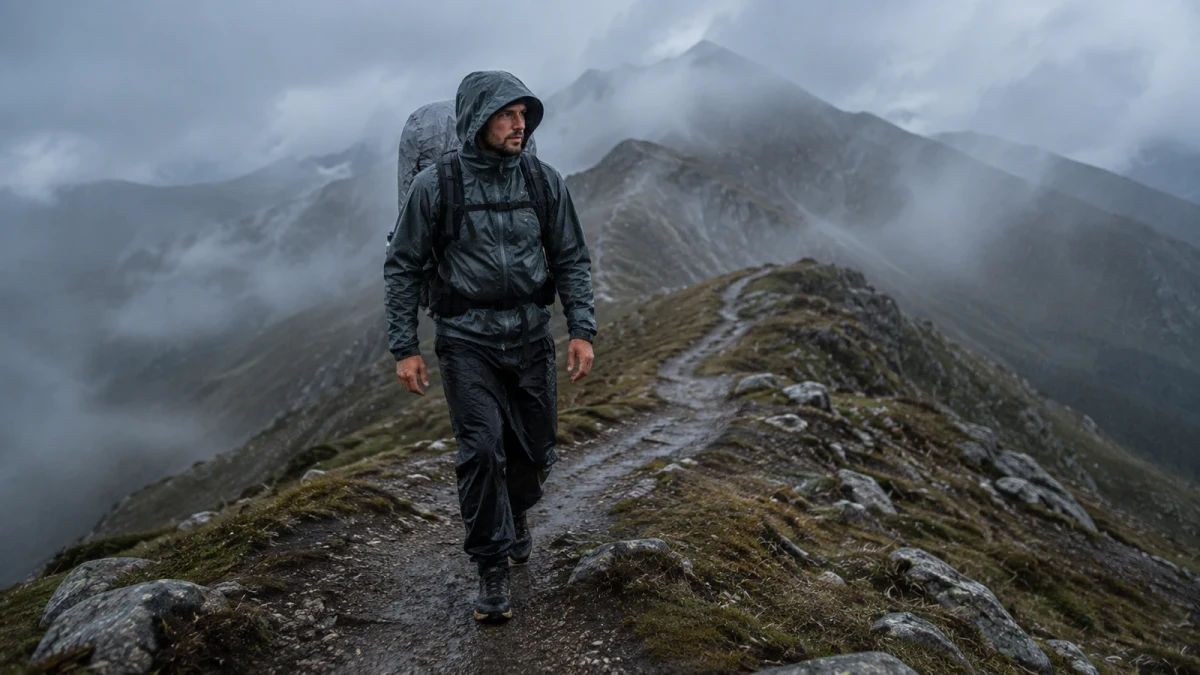
Part 36 of the HikeLab Ultimate Ultralight Guide Series.
You don’t notice bad rain gear on a dry forecast. You notice it six miles into cold drizzle, when your sleeves are wet, your hands are numb, and your “lightweight” jacket feels like a plastic sauna. That’s why ultralight rain gear backpacking matters so much: in wet weather, every ounce has to earn its place without leaving you cold, clammy, or exposed.
If you’ve ever packed too much rain protection or too little, you’re not alone. Most backpackers swing between fear and overconfidence. This guide fixes that. You’ll learn how to choose ultralight rain gear backpacking setups that match your climate, pace, and risk level, which pieces are actually worth the weight, and how to avoid the expensive mistakes that leave hikers miserable. By the end, you’ll know how to build a simple wet-weather system you can trust.
Key Takeaways
- The best ultralight rain gear backpacking setup is a system, not a single jacket.
- Your climate matters more than marketing claims about “waterproof” or “breathable.”
- A light poncho, rain skirt, or wind shell can outperform heavier kits in the right conditions.
- The safest setup keeps you warm while moving and while stopped, not just dry on paper.
Why Ultralight Rain Gear Backpacking Is Different
Ultralight rain gear backpacking is not about chasing the lowest number on a spreadsheet. It’s about carrying the least gear that still works when the weather turns ugly. That difference matters because rain protection fails in more than one way.
A jacket can leak. It can also trap sweat so badly that you end up just as wet from the inside. A poncho can feel amazing in warm rain but turn sketchy in wind above treeline. Rain pants can save warmth in camp but spend most of the day dead weight in your pack.
That’s why smart hikers think in layers and use cases. You need to ask four questions: How cold will it get? How long will you stay wet? How much wind exposure will you have? What happens if you stop moving?
Consider Maya, a weekend backpacker in North Carolina. She swapped a 13-ounce “just in case” shell and full rain pants for a 6-ounce jacket, a 2-ounce rain skirt, and a stronger fleece. Her pack got lighter, but the real win was comfort. She stopped overheating on climbs and still had enough protection for all-day mist on the Art Loeb Trail.
That’s the core lesson. Ultralight backpacking gear works best when each item supports the others. Your waterproof jacket, insulation, base layer, and pace all affect how your rain system performs.
If you’re rebuilding your kit this season, start with the conditions you actually hike in, not the worst storm you can imagine once every five years.
The Three Core Pieces of an Ultralight Rain Gear Backpacking Kit
Most ultralight rain gear backpacking setups revolve around three jobs: protecting your torso, protecting your legs, and protecting your warmth. You do not always need a dedicated item for every job, but you do need a plan for each one.
1. Upper-body protection
For most hikers, this means a lightweight waterproof jacket or a backpacking poncho. A hiking rain jacket gives better wind protection, works better in brush, and feels more secure on exposed trails. A poncho vents better, can cover your pack, and often weighs less.
2. Lower-body protection
This is where many ultralight kits get smarter. Full rain pants are useful in cold, windy, shoulder-season trips. In milder weather, rain skirts or simply quick-drying shorts often make more sense for ultralight rain gear backpacking.
3. Warmth insurance
Rain gear alone does not keep you safe. It only slows heat loss. Your real backup is dry insulation and a sleep system you protect carefully. The National Park Service hypothermia guidance is a good reminder that wetness, wind, and fatigue stack fast.
Here’s a simple way to think about it:
- Warm and humid: poncho or light shell, no rain pants, fast-drying clothing
- Mild and mixed: lightweight jacket, optional rain skirt, wind layer for flexibility
- Cold and exposed: reliable shell, leg coverage, protected dry layers in your pack
If your current system tries to solve every climate with one heavy setup, that’s usually where excess weight starts.
Best Ultralight Rain Gear Backpacking Options by Climate
Climate decides whether your gear feels brilliant or useless. The same 5-ounce shell can be perfect in summer storms and inadequate in prolonged cold rain.
Warm, humid forests
In places where rain is frequent but temperatures stay moderate, breathability and ventilation matter more than fortress-level protection. That’s why many hikers prefer a poncho, umbrella, or very light shell. You’ll probably get damp anyway, so the goal is to avoid overheating and keep moving.
Luis, a section hiker in Georgia, learned this the hard way. He carried a heavier waterproof-breathable shell and full rain pants for a humid July trip. By day two, he was soaked in sweat on every climb. On his next trip, he used a poncho and packed dry camp layers instead. He finished wetter in the moment but far warmer by evening.
Mountain weather and shoulder season
This is where ultralight rain gear backpacking gets serious. Wind, colder temperatures, and longer storms punish minimalist choices. A proper shell with a good hood, adjustable cuffs, and better face fabric often beats the lightest possible option.
If you hike in alpine areas, read current mountain forecasts and precipitation trends from NOAA before you leave. Your margin for error is smaller when rain mixes with wind chill.
Dry climates with brief storms
In the desert or on high routes with short thunderstorm windows, a minimal system can work extremely well. A light shell or poncho may spend days unused, so carried weight matters more. Here, ultralight rain gear backpacking often means accepting limited durability in exchange for lower pack weight.
Long trails with changing conditions
Thru-hikers often split the difference. They need something light enough to carry for months, but reliable enough for repeated use. That usually means a simple shell, a highly packable leg option, and disciplined camp habits to protect dry layers.
Before your next trip, write down the coldest rain you’re likely to face, not the average forecast. That one line will make your gear choices sharper.
Jacket, Poncho, or Umbrella: What Actually Works?
This is the debate at the center of ultralight rain gear backpacking. There isn’t one universal winner because each option solves a different problem.
Lightweight rain jacket
A hiking rain jacket is the default choice for a reason. It handles wind, brush, and cold better than anything else. It also layers cleanly over an active insulation piece during rough weather.
The downside is moisture buildup. Even strong waterproof-breathable fabrics can feel swampy during hard climbing. Features like pit zips, a structured hood, and better venting often matter more than chasing the newest membrane.
Backpacking poncho
A poncho shines in warm to mild rain, especially when you want airflow. It can protect both you and your pack, which removes the need for a separate pack cover in many cases. For hikers who run hot, it can be the most comfortable choice.
Its limits show up in wind, dense brush, and technical terrain. A flapping poncho on an exposed ridge can go from clever to annoying very quickly.
Hiking umbrella
An umbrella is a niche tool that can be fantastic in open terrain or steady light rain. It reduces the sweat problem and can double as sun protection. But it is awkward in strong wind, scrambling terrain, and tight overgrown trails.
Andrew Skurka has written useful field-tested advice on layering, moisture, and weather management at andrewskurka.com. That broader framing is more useful than obsessing over lab specs alone.
If you learn better by watching, side-by-side wet-weather layering and rain shell comparisons from the Andrew Skurka YouTube channel or the Garage Grown Gear channel show the ventilation tradeoffs faster than any spec sheet.
The practical rule is simple:
- Choose a jacket for colder, windier, rougher trips
- Choose a poncho for warm, wet, lower-risk conditions
- Choose an umbrella when the terrain and forecast let it shine
Don’t Ignore Lower-Body Coverage
Leg protection is where many hikers can cut weight without losing function. It’s also where people copy someone else’s setup without thinking through their own comfort and risk tolerance.
Full rain pants are best when temperatures are low, wind is strong, or brush is soaked. They add real warmth in camp and during breaks. They also protect your legs from evaporative cooling when you’re already tired.
But they’re often overpacked in mild conditions. For many three-season hikers, rain skirts hit the sweet spot. They’re light, easy to vent, and much faster to put on than rain pants. If you wear trail runners and shorts, a skirt often gives enough protection to matter where it counts most: your core and upper legs.
Take Erin, a Colorado backpacker who kept carrying rain pants because “serious hikers” do. On a four-day trip with afternoon storms, she never wore them while moving. The next month she replaced them with a rain skirt and saved several ounces without giving up real performance for that use case.
This is where ultralight rain gear backpacking rewards honesty. Ask yourself what you actually use, not what looks complete in a gear list.
Pull your last three trip reports or photos and check what rain gear you truly wore. That audit is usually more useful than reading ten more product pages.
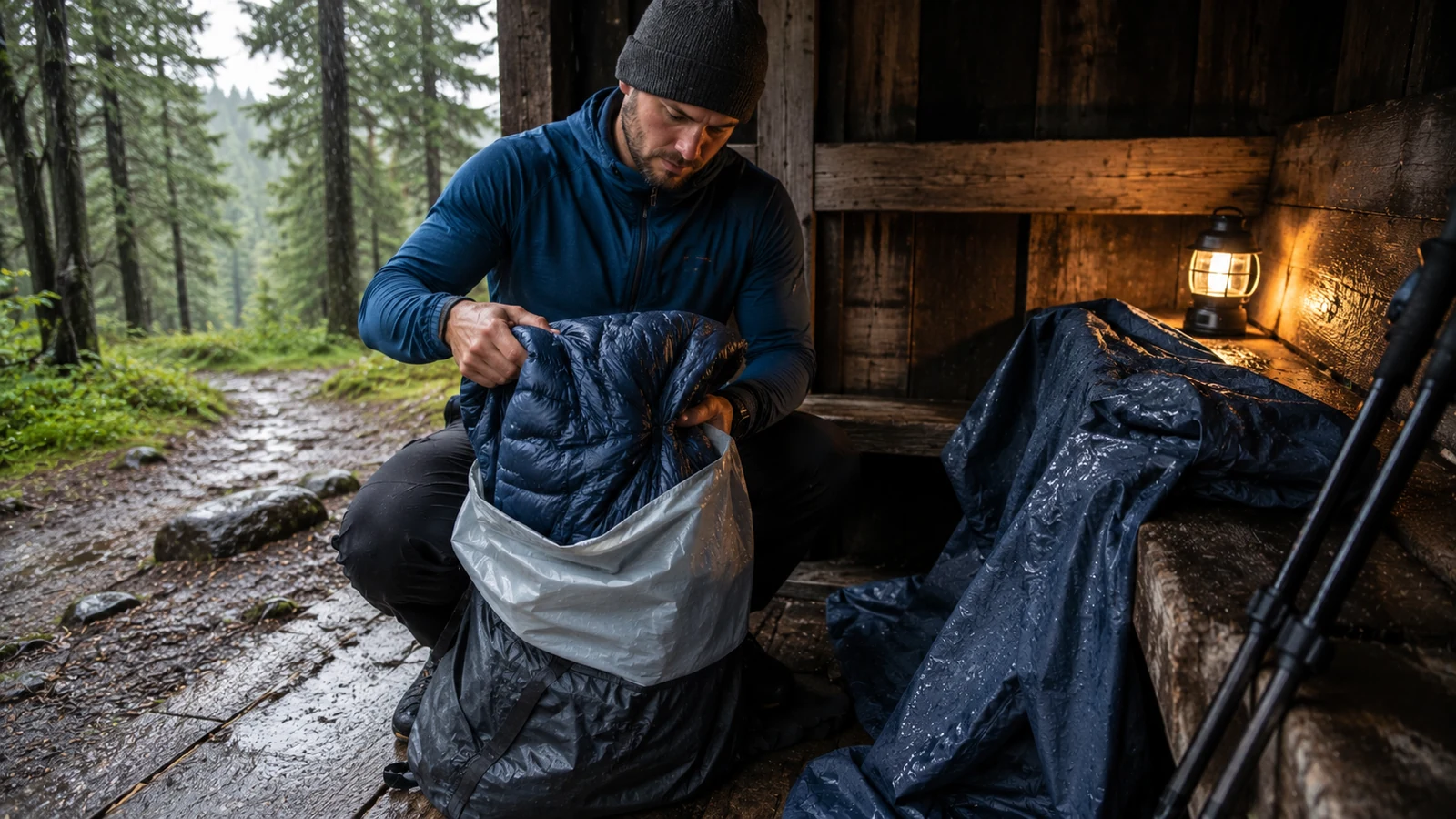
How to Stay Warm When Nothing Stays Completely Dry
The hardest truth in ultralight rain gear backpacking is that “staying dry” is often the wrong goal. In long storms, humid forests, or high-output climbs, some moisture is almost unavoidable. Your goal is to stay warm enough and recover fast.
That means protecting the layers that matter most. Use a pack liner or dry bags for sleep clothes, insulation, and electronics. A soaked quilt or puffy is a much bigger problem than wet shorts.
Your next defense is fabric choice. Many hikers prefer synthetic insulation for wet trips because it holds warmth better when damp. Merino and synthetic base layers can also make wet movement more tolerable than cotton, which should stay out of any backpacking rain system.
Pacing matters too. If you climb hard in a shell and arrive drenched in sweat, the jacket didn’t fail. Your effort level and venting strategy did. Slow down, open vents early, and strip layers before you overheat.
The Appalachian Trail Conservancy weather safety guidance is a useful reminder that weather problems usually get worse when small decisions pile up. Wet sleeves, missed calories, and a late stop can combine into a real issue.
One more rule helps on almost every trip: stop early enough to get into dry layers before you’re chilled. Ultralight systems leave less room for sloppy camp transitions.
Common Mistakes That Make Rain Gear Feel Heavier Than It Is
A lot of bad ultralight rain gear backpacking experiences come from setup mistakes, not bad products. Fixing those mistakes is often cheaper than buying another jacket.
Mistake 1: Buying for specs, not for your trail style
A jacket with elite waterproof numbers won’t help much if you mostly hike in humid climates and sweat through it. Trail conditions beat lab claims every time.
Mistake 2: Packing redundant protection
Many hikers carry a shell, pack cover, rain pants, waterproof mitts, and extra “just in case” layers for moderate summer trips. That’s how a supposedly ultralight kit turns bulky. Build around likely conditions, then add true safety items with intent.
Mistake 3: Forgetting your hands, head, and neck
A good hood can matter more than a slightly lighter fabric. A warm beanie or cap under the hood can improve comfort fast. Light gloves become important much sooner than many hikers expect in cold rain.
Mistake 4: Not testing in real weather
You do not want a first field test to happen on day one of a remote trip. Walk a local trail in steady rain. Learn how fast your jacket wets out, how your poncho handles wind, and whether your layering order works.
Mistake 5: Treating rain gear as emergency-only gear
If you never use it until conditions are already bad, you’ll make worse decisions. Put it on sooner. Manage heat and moisture early.
Ultralight rain gear backpacking works best when it becomes part of your routine rather than a panic button.
A Simple Packing Framework for Ultralight Rain Gear Backpacking
If you want a practical starting point, use this framework and adjust from there.
Option 1: Warm-weather minimal kit
- Lightweight poncho or very light shell
- No dedicated rain pants
- Pack liner for critical dry items
- Fast-drying shirt and shorts
- Dry sleep layers packed separately
Option 2: Three-season balanced kit
- Lightweight waterproof jacket with good hood
- Rain skirt or optional light rain pants
- Wind layer for flexible temperature control
- Pack liner
- Dry camp insulation
Option 3: Cold and exposed kit
- More protective waterproof jacket
- Full lower-body rain protection
- Warm hat and gloves
- Pack liner or dry bags for all critical insulation
- Conservative turnaround mindset if weather escalates
This framework won’t win internet arguments, but it will help you make better decisions. And that’s the point. Ultralight rain gear backpacking should reduce friction on trail, not create a new form of gear anxiety.
Build one of these three kits on your floor tonight and weigh it. Seeing the whole rain system together makes weak spots obvious fast.
FAQ
How do I choose ultralight rain gear backpacking for humid weather?
Prioritize ventilation over maximum storm protection. A poncho or highly vented shell often works better than a heavy waterproof jacket because sweat management matters more in warm, humid rain.
What is the best ultralight rain gear backpacking setup for beginners?
A simple setup is usually best: one lightweight rain jacket, a pack liner, and protected dry camp layers. Add a rain skirt or rain pants only if your climate and temperature make them useful.
Why do I still get wet in expensive rain gear?
Often it’s internal moisture, not leakage. Sweat, poor venting, high effort, and humid air can all leave you soaked even when your shell is technically waterproof.
Which is better for backpacking, a poncho or a rain jacket?
A poncho is usually better in warm, mild rain where airflow matters. A rain jacket is better in colder, windier, brushy, or more exposed terrain where fit and protection matter more.
When should I bring rain pants on a backpacking trip?
Bring them when temperatures are low, storms may last for hours, or wind exposure is significant. In milder three-season conditions, many hikers can replace them with a rain skirt or skip them entirely.
Build a Lighter Rain System You’ll Actually Use
The best ultralight rain gear backpacking setup is the one that matches your real trail conditions, keeps your core warm, and feels simple enough to use without hesitation. That usually means fewer pieces, clearer roles, and better habits instead of heavier “insurance” gear. When you stop treating rain gear like a single magic item and start treating it like a system, your choices get easier and your pack usually gets lighter at the same time.
Start with your climate. Decide whether you run hot or cold. Then build around one reliable upper-body layer, a smart plan for leg coverage, and strict protection for your dry camp layers. Test that system close to home before you trust it in the backcountry. A one-hour walk in cold rain will tell you more than weeks of reading product descriptions.
If your current wet-weather kit feels bulky, uncomfortable, or confusing, that’s your cue to simplify it. Rework it now, weigh it, and take it on your next local hike in actual rain. Keep what protects warmth, remove what never gets used, and let your actual trail experience shape the final kit. A lighter, better-planned setup won’t just save ounces. It will make bad weather feel manageable, and that changes the whole trip. If you want one clear next step, build your rain system tonight and test it on the next ugly forecast instead of waiting for a big trip to find the flaws.
Next Steps
- Read Wet Weather Ultralight System for the full rain-ready approach.
- Read The Ultralight Clothing System for the layers your rain shell has to work with.
- See The Ultimate Base Weight Guide for how rain gear fits into pack weight planning.
Sources
- National Park Service — Hypothermia Safety — cold, wet, and wind risk
- NOAA / National Weather Service — mountain precipitation and storm forecasts
- Andrew Skurka — field-tested layering and moisture management
- Appalachian Trail Conservancy — Weather Safety — wet-weather decision making
Leave a Comment